
Undertaking a home renovation or construction project can be exciting.
Whether you’re adding a backyard workshop, updating a kitchen, building a deck, or preparing your home for the market, understanding North Carolina’s building permit requirements is one of the most important steps in protecting both your property and your investment.
For homeowners exploring renovations before listing their property among the many desirable Elizabeth City houses for sale, permits can play a major role in how smoothly a future transaction unfolds.
Buyers, lenders, appraisers, insurance companies, and home inspectors increasingly pay close attention to whether work was completed properly and legally.
While permit requirements vary slightly by municipality and county, North Carolina homeowners should always verify local rules before beginning any project.
Let’s dive into the particulars of pulling the correct permits! We will also share resources specific to the Elizabeth City, NC area.
What Is a Building Permit?
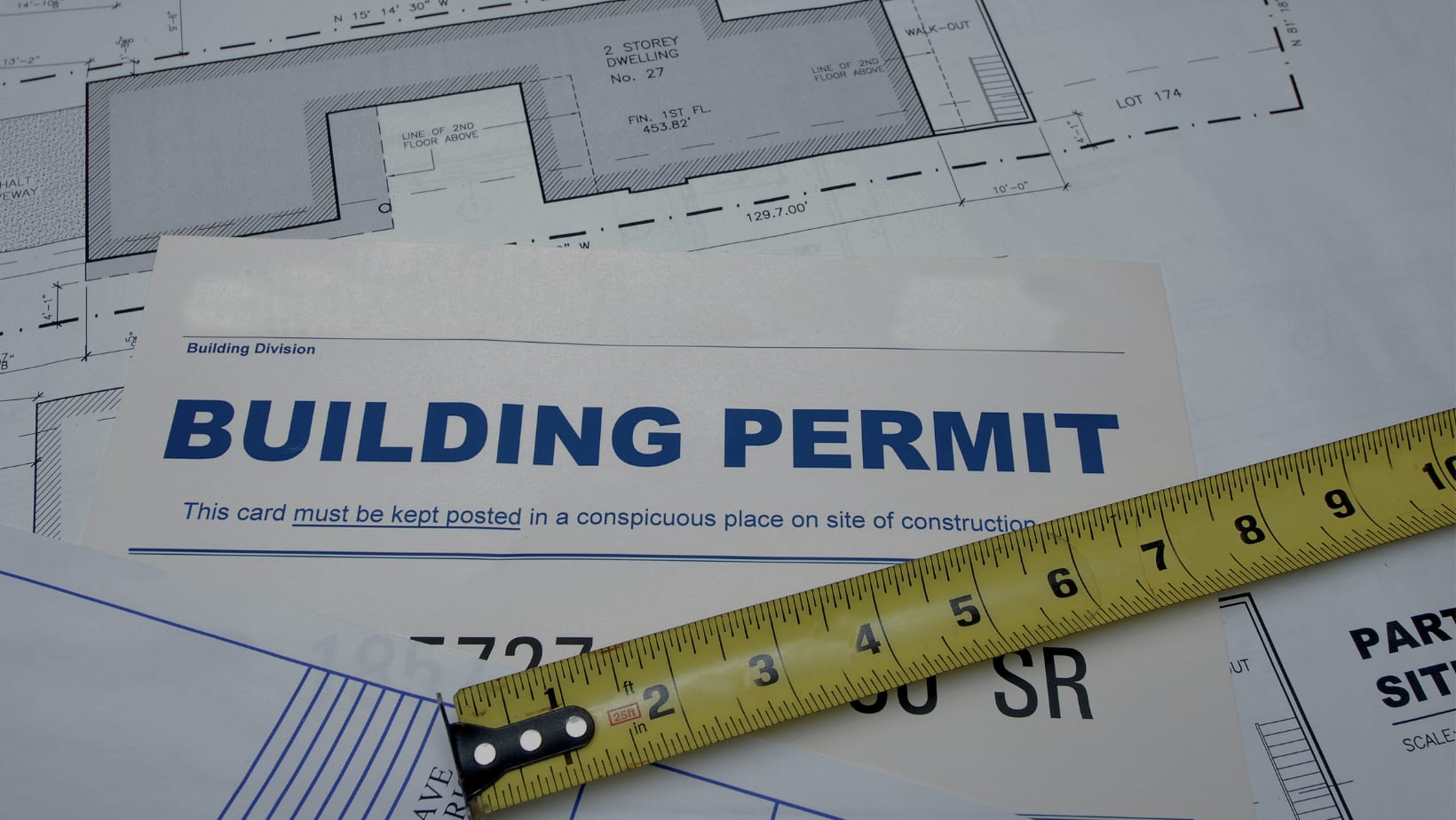
A building permit is an official approval issued by your local building inspections department that allows construction or renovation work to begin. Permits help ensure that work complies with current North Carolina building codes, zoning requirements, and safety standards.
Permits also create a documented record that improvements were completed according to code and inspected by professionals throughout the process.
In North Carolina, building codes are enforced at the local level but follow statewide standards established through the North Carolina State Building Code. In 2025, North Carolina began transitioning to the updated 2024 North Carolina State Building Code, which officially became effective July 1, 2025.
Because codes and local ordinances can change, homeowners should never assume a permit is unnecessary simply because similar work was completed in the past without one.
Common Home Projects That Typically Require a Permit in North Carolina
Many homeowners are surprised to learn how many projects require permits. While requirements can differ depending on the city or county, permits are commonly needed for:
New Construction
Any newly constructed home, detached garage, workshop, or accessory building generally requires permitting and inspections.
Structural Changes
Removing or adding walls, modifying roof structures, finishing attics, converting garages, or altering foundations typically requires approval.
Electrical Work
Installing new wiring, upgrading electrical panels, adding outlets, or running electricity to detached structures often requires electrical permits and inspections.
Plumbing Projects
Relocating plumbing lines, replacing water heaters, adding bathrooms, or making major plumbing modifications usually requires permits.
HVAC Installation or Replacement
New HVAC systems, ductwork modifications, or system replacements often require permits to ensure proper installation and energy compliance.
Decks and Porches
Many deck projects require permits, especially if the deck is attached to the home, elevated, or includes stairs and railings.
Swimming Pools
Both in-ground and many above-ground pools typically require permits and must comply with fencing and safety requirements.
Demolition Projects
Removing structures or portions of a home often requires demolition permits and inspections.
For details specific to your upcoming project, please consult the Elizabeth City Building Inspection Department.
What Projects May Not Require a Permit?
Some minor projects may not require permits, depending on local jurisdiction and the scope of work.
Examples may include:
Cosmetic painting
Replacing flooring
Installing cabinets without changing plumbing or electrical systems
Minor fixture replacements
Small detached storage structures under local size thresholds
Some smaller detached storage buildings may not require a full building permit in Elizabeth City or Pasquotank County, particularly structures at or below local size thresholds. However, zoning approval, setback requirements, floodplain regulations, or utility connections may still apply.
This is especially important in Elizabeth City and surrounding Albemarle-area communities where waterfront properties, flood-prone areas, and FEMA-designated flood zones are more common. Homeowners near canals, rivers, or low-lying areas may need additional approvals before beginning projects such as decks, additions, bulkheads, sheds, or accessory structures.
Because local interpretation can vary based on property location and project details, homeowners should always confirm requirements with the Elizabeth City Building Inspecting Deportment, Development Services Department, or Pasquotank County Planning & Inspections before beginning construction.
Why Permits Matter When Selling Your Home
For homeowners preparing to enter the market alongside other Elizabeth City houses for sale, permits can significantly impact both buyer confidence and the transaction process.
Proper Permits Can Help Your Home Sale
When renovations are properly permitted and inspected, homeowners may benefit from:
Increased buyer confidence
Smoother home inspections
Fewer lender concerns
Better documentation of upgrades
Improved appraisal support
Reduced liability concerns
Permitted improvements also help establish credibility when marketing updates such as remodeled kitchens, finished bonus rooms, sunrooms, workshops, or additions.
For example, a finished room added without permits may not legally count toward the home’s heated square footage during appraisal or listing. That can directly impact a home’s market value.
What Happens If Work Was Done Without a Permit?
Unpermitted work can create significant complications during a home sale.
Potential issues include:
Delays During Closing
Buyers may request additional inspections or documentation if they discover renovations were completed without permits.
Problems With Appraisals
Appraisers may not assign value to additions or finished spaces lacking proper permitting records.
Insurance Concerns
Insurance companies could deny claims related to unpermitted work if damage occurs later.
Lender Requirements
Some lenders may require permits to be finalized retroactively before approving financing.
Negotiation Challenges
Buyers may ask for credits, repairs, price reductions, or additional inspections after discovering unpermitted improvements.
Safety Risks
Perhaps most importantly, unpermitted work may not meet modern safety standards, especially when it involves electrical, plumbing, structural, or HVAC systems.
In some cases, local governments can even require homeowners to remove or reconstruct noncompliant work.
Can You Pull a Permit After the Work Is Already Done?
Sometimes. But it can become complicated and expensive.
Many municipalities allow “after-the-fact” permits, but homeowners may face:
Additional fees
Engineering requirements
Opened walls for inspections
Delays
Possible code correction requirements
If work does not meet current code standards, repairs or reconstruction may be necessary before approval is granted.
This is one reason why experienced contractors and real estate professionals strongly encourage homeowners to follow the permitting process from the beginning.
Tips for Homeowners Before Starting a Project
Before beginning any renovation or construction project in North Carolina:
Contact Your Local Permitting Office
Every municipality and county may interpret requirements slightly differently.
Hire Licensed Professionals
Qualified contractors understand local permitting procedures and code requirements.
Keep Copies of Permits and Inspections
Maintain organized records for future buyers and appraisers.
Verify Contractor Licensing
Homeowners should ensure contractors are properly licensed and insured.
Ask Questions Early
It is always easier and less expensive to address permitting questions before work begins.
Thinking About Selling Your Home?
If you are considering renovations before listing your property, understanding permits can help protect your investment and strengthen your position in today’s competitive real estate market.
As buyers continue searching for well-maintained and properly updated Elizabeth City houses for sale, homes with documented, professionally completed improvements often stand out more confidently during inspections, appraisals, and negotiations.
Working with experienced local real estate professionals can also help homeowners understand which updates add value, which projects require permits, and how to prepare a home for a smoother sale process in Northeastern North Carolina. Let us know if Hall & Nixon Real Estate can be of service to you!